
SB 49 and the California solar canopy tax credit: what actually passed
SB 49 was amended in 2023 to give solar canopies over parking a 5 percent California income tax credit. The credit was removed before the bill was signed. What the law does as enacted, and the incentives a canopy owner can actually claim in 2026.
4 min read · Updated October 6, 2026
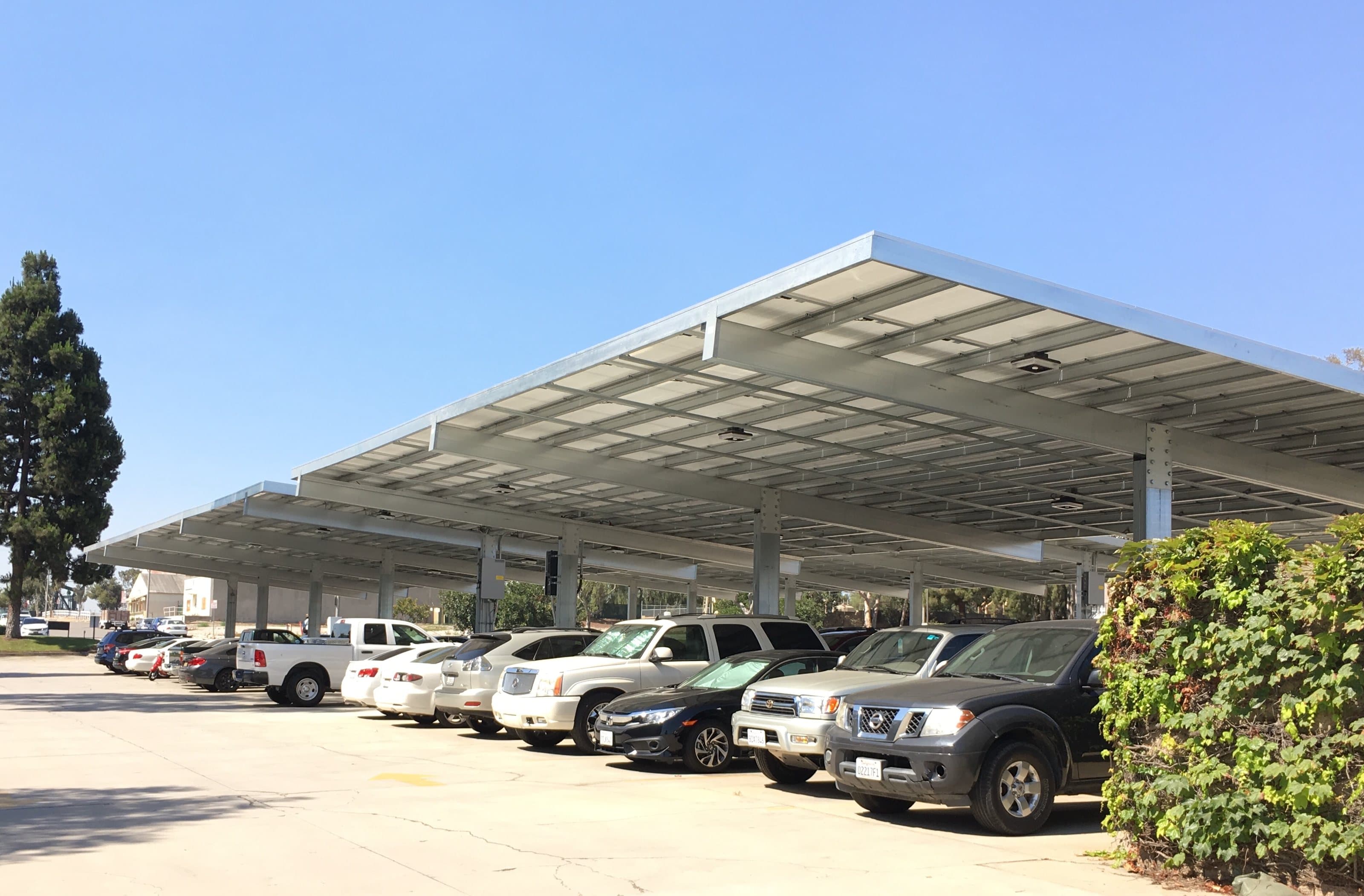
Search for a California solar canopy tax credit and you will find summaries of Senate Bill 49 describing a 5 percent state income tax credit for canopies over parking. That credit was in the bill for part of 2023. It was removed before the bill passed. Here is what SB 49 proposed, what it does as enacted, and what a canopy owner can claim instead.
What SB 49 proposed
Senator Josh Becker introduced SB 49 in December 2022 to encourage solar over parking lots and along highways. Amendments in June and July 2023 added a credit against California personal and corporate income tax equal to 5 percent of the cost of a qualified solar canopy project, capped at $100,000 per project, for taxable years 2024 through 2028. A qualified project would have been an elevated structure carrying at least 15 kW of solar over a parking lot or other secondary use, excluding rooftops and surface lots within a half mile of a major transit stop. The Franchise Tax Board analyzed those versions, and its analysis is the source of most of the summaries still online.
What SB 49 does as enacted
The version the Governor signed on October 7, 2023, Chapter 379 of the Statutes of 2023, contains none of the tax provisions. It adds Section 91.9 to the Streets and Highways Code and directs Caltrans, working with the California Energy Commission and the Public Utilities Commission, to evaluate what stands in the way of renewable generation, energy storage, and transmission on state highway rights-of-way, with the evaluation due by December 31, 2025. It creates no credit, exemption, or other incentive for private parking-lot canopies.
What a canopy owner can claim in 2026
- Federal investment tax credit (Section 48E): 30 percent of eligible cost for a commercial solar system under 1 MW or one that meets the prevailing wage and apprenticeship rules. Under the 2025 federal tax law, a project that did not begin construction by July 4, 2026 must be placed in service by December 31, 2027.
- Elective pay: cities, school districts, and other tax-exempt owners can receive the value of the federal credit as a direct payment from the IRS.
- Property tax: Revenue and Taxation Code section 73 keeps the value of a new active solar energy system off the assessment roll. Under current law it covers solar construction completed before January 1, 2027, so it helps projects finishing this year and sunsets after that unless the Legislature extends it.
- Depreciation: taxable owners depreciate the system, and the 2025 federal tax law restored 100 percent bonus depreciation for qualifying property.
- EV charging under the canopy: utility programs such as LADWP's Commercial EV Charger Rebate Program and the California Energy Commission's CALeVIP fund chargers in enrollment windows that open and close.
Why the confusion persists
The Legislature and the Franchise Tax Board publish analyses of each amended version of a bill, and a summary written from the June or July 2023 text reads like settled law. Before relying on any state incentive, check the chaptered text on the Legislature's site and the Franchise Tax Board's current list of credits. We check incentives against those sources for every proposal and update this page when the law changes.
Questions
- Does California have a state tax credit for solar canopies?
- Not as of October 2026. A 5 percent state income tax credit for solar canopies was added to SB 49 in 2023 and removed before the bill was enacted. The federal Section 48E investment tax credit still applies to commercial canopies.
- What does SB 49 actually do?
- As enacted (Chapter 379, Statutes of 2023), SB 49 directs Caltrans to evaluate the issues that impede renewable energy, storage, and transmission projects on state highway rights-of-way. It contains no incentive for private solar canopies.
- Is a new solar canopy exempt from California property tax?
- Under Revenue and Taxation Code section 73, the value of a new active solar energy system is excluded from reassessment for solar construction completed before January 1, 2027 under current law. Confirm the treatment of your project with the county assessor.
Sources
- SB 49 (2023), chaptered text, California Legislative Information
- Franchise Tax Board analysis of SB 49 as amended June 15, June 30, and July 3, 2023
- IRS: Clean Electricity Investment Credit (Section 48E)
- IRS: Elective pay and transferability
- Board of Equalization Letter to Assessors 2024/031, active solar energy system exclusion
Checked against these sources on the date shown above. Codes, incentives, and program terms change; confirm before relying on them.